Questions about Smart Asset Management? Germ Jan is happy to help.
Applications
Concrete applications
Many organizations already have large amounts of data at their disposal, but are not yet utilizing it. We lay a smart data layer over your existing systems. We combine sensor data, tickets, maintenance and external sources (such as KNMI data) into insights that teams can immediately put to use.
Fault analysis and predictive maintenance
We combine fault history, work orders and sensor data. This allows you to recognize patterns and plan maintenance before failures occur. With the right engineer and materials. Fewer repeat visits, more uptime.
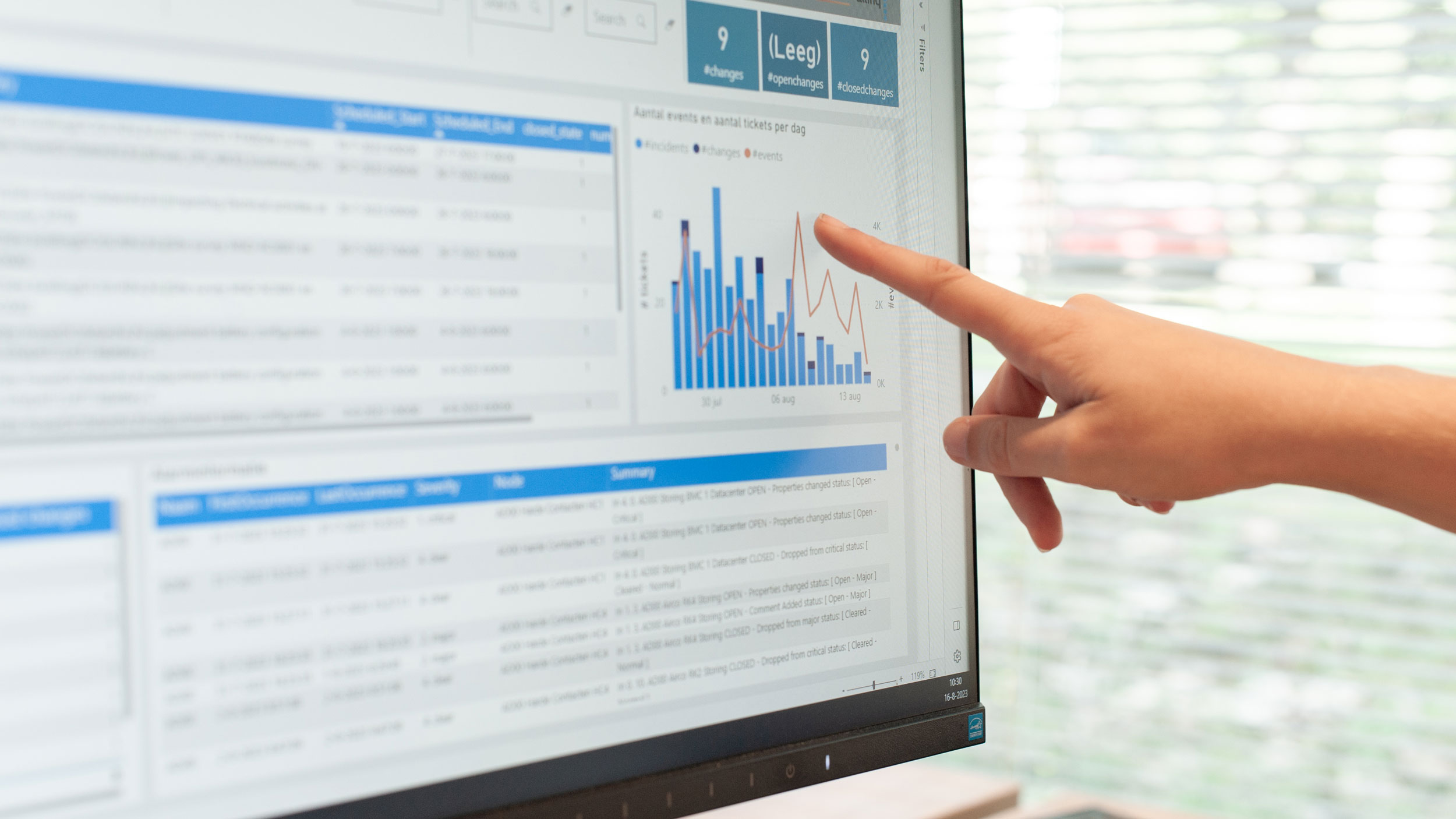
Energy and climate control in technical environments
We measure energy, temperatures and environmental conditions in, for example, data centers, technical rooms and industrial environments. Analyses reveal inefficiencies such as unnecessary cooling or poor airflow. This allows you to reduce consumption and extend service life.

Status and capacity of networks and critical infrastructure
We map the quality and available capacity of underground networks. By combining OTDR measurements with network data, for example, you can see where attenuation is increasing, where quality is declining and where timely intervention or expansion is needed.
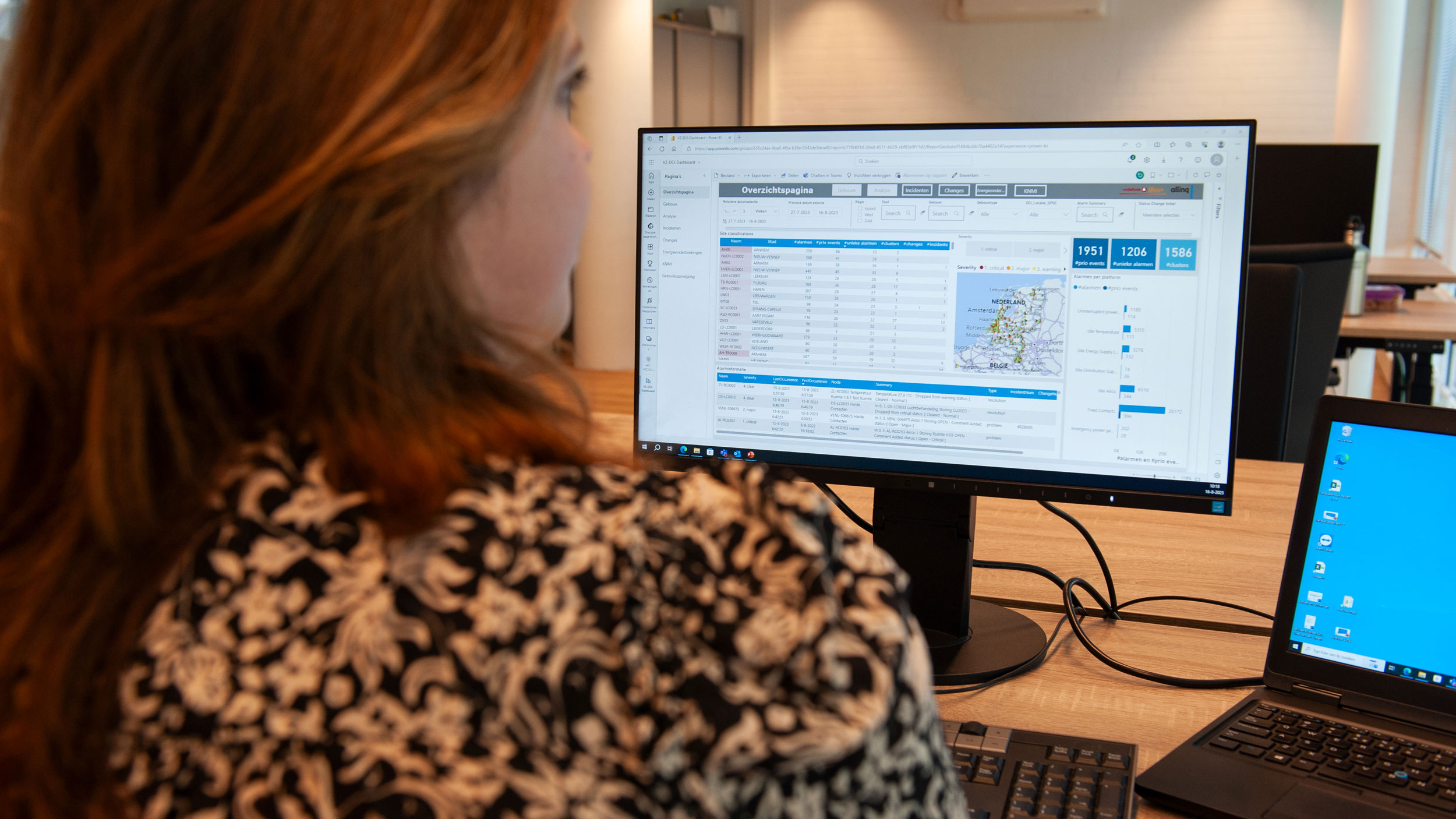
Analysis of field data and tickets
Work orders and fault reports show where problems are accumulating. This allows you to tackle the cause rather than the symptom.

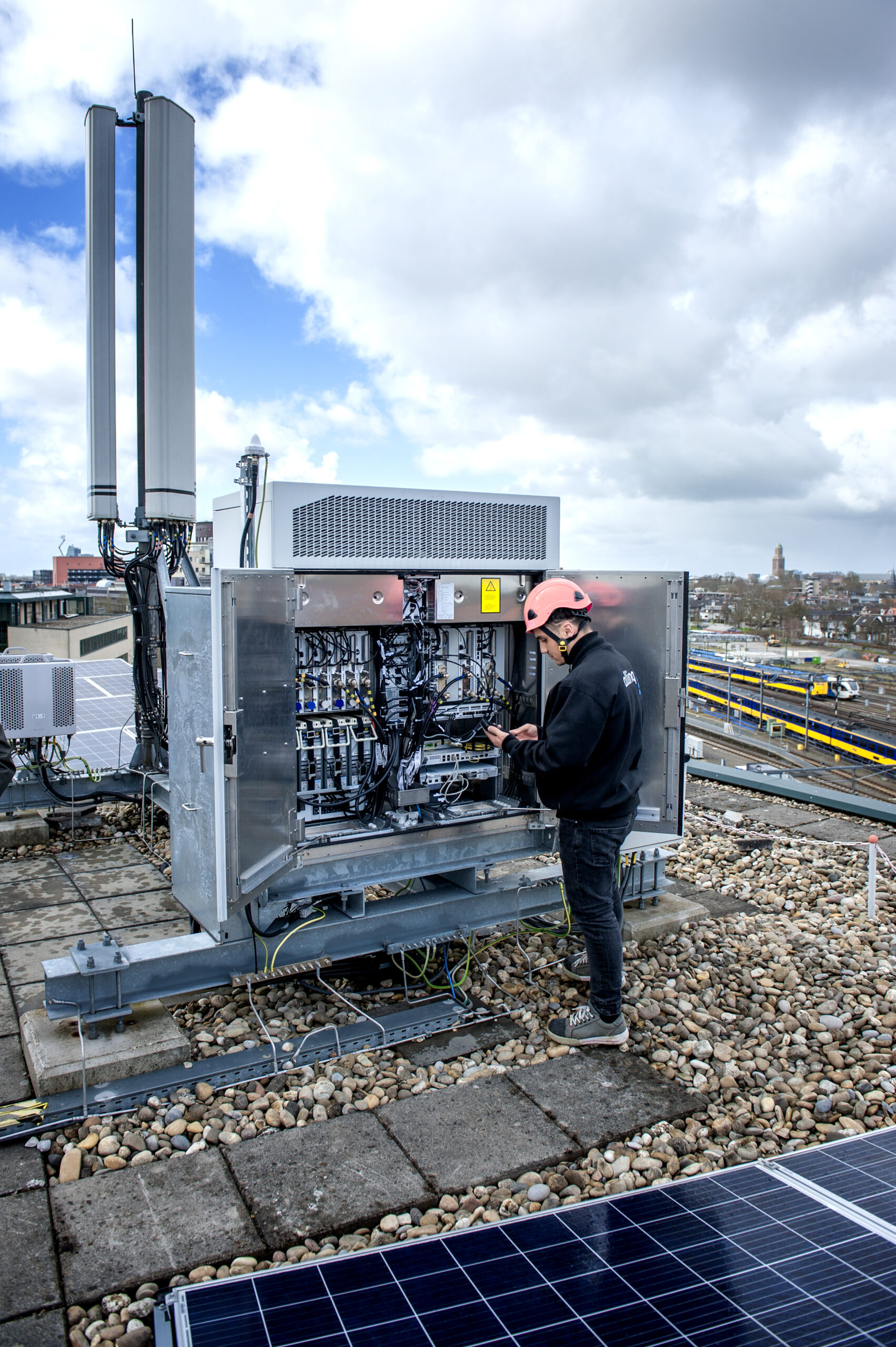
Monitoring of generators and energy supply
For distributed energy assets, we bundle all measuring points into a single overview. You can immediately see which assets deviate and where maintenance or replacement is needed.
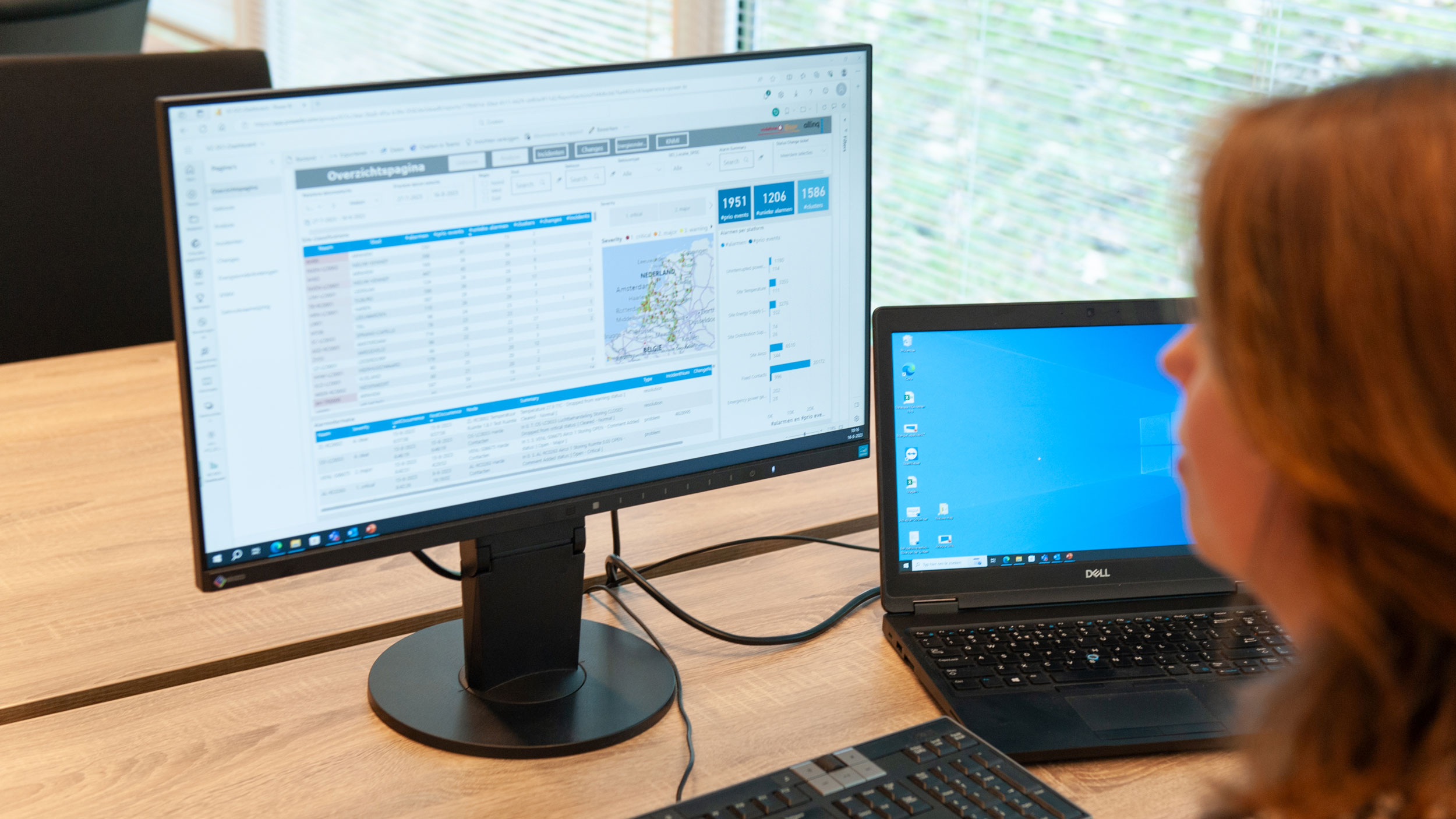
Digital twin as a basis for control
We combine 3D model data with live sensor data into a single digital twin. You can see not only what assets look like, but also how they behave. This makes analysis, scenario calculations and decision-making easier.

Benefits
What does Smart Asset Management bring to you?
Smart Asset Management is based on facts. One place for data and insights. Less noise, more overview.
One data platform for all your asset data
Sensors, customer systems, tickets, maintenance and external sources come together. No fragmentation, just comparisons and trends.
Works with what you already have
We use existing data and add sensors where necessary. Your trusted tooling remains. We add an analytical layer and make insights centrally available.
Better performance, lower costs
Prevent breakdowns, plan maintenance more intelligently and reduce energy waste. That saves money and increases availability.
Satisfied end users
With better diagnostics, you can tackle the right problem in one go. Fewer malfunctions, fewer complaints.
Data quality in order
We help improve the basic data. This makes predictions and insights reliable enough to act on.
Sector-independent
Applicable to networks, data centers, energy assets, street cabinets and other infrastructure where performance and energy consumption matter.
Experience
Our experience in Smart Asset Management
VodafoneZiggo
From a traditional executive organization to an output-driven organization, with as many automated processes as possible.
FAQ
Frequently asked questions
The most frequently asked questions, briefly and clearly explained.
What is Smart Asset Management?
Data-driven asset management. Use data and analyses to manage performance, uptime, energy consumption and costs.
Do I need to replace my systems?
No. We link to existing BMS, monitoring and ticketing systems. No big bang, just added value.
What if my data is not yet in order?
We start with what is available, add sources where necessary and improve basic registrations. From that basis, we build analyses step by step.
What data do you use?
Asset data, fault and ticket data, maintenance, sensors (energy, temperature, air flows) and external sources such as weather data. It is precisely this combination that adds value.
Is my data secure and does it remain in Europe?
Yes. We operate in a separate, customer-specific environment in Western Europe on Azure. Access is protected and data is not mixed.
Can you connect to my systems?
In most cases, yes. Our platform is a “power strip” for various connections. We determine what is needed at the start.
Who is this relevant for?
For network owners, operators, data centers and asset-intensive organizations with a lot of fieldwork and energy consumption.
Do you use AI and machine learning?
Yes, as soon as the data layer is in place. We apply models for predictions and optimizations. This makes management more reliable, efficient and predictable.
Interested in getting acquainted?
Enthusiastic about our innovative approach, inspired by the diversity of sectors? Ready to take on a challenge? Don’t hesitate, press that button.