Questions about Parametric Families? Leander is happy to help.

Applications
Applications of Parametric Families
Use Parametric Families when objects occur in many variants or if you want to make quick and error-free changes. And if you want to link detailed asset data from another system. They speed up the design process, increase quality and ensure consistent models throughout the organization. Energy infrastructure (medium and high voltage). We develop families for, among other things: support structures and foundations, control cabinets and supporting elements and fastening materials. You can easily adjust heights, center-to-center distances, configurations (e.g. 1/2/3 cabinets), foundation shapes and bolt sizes. This allows you to model existing and new situations quickly and unambiguously.
Design and renovation of technical installations
Expand or replace? Select parameters, generate the variant and continue. Less manual work, fewer errors, faster design and engineering.
Documentation and standardization
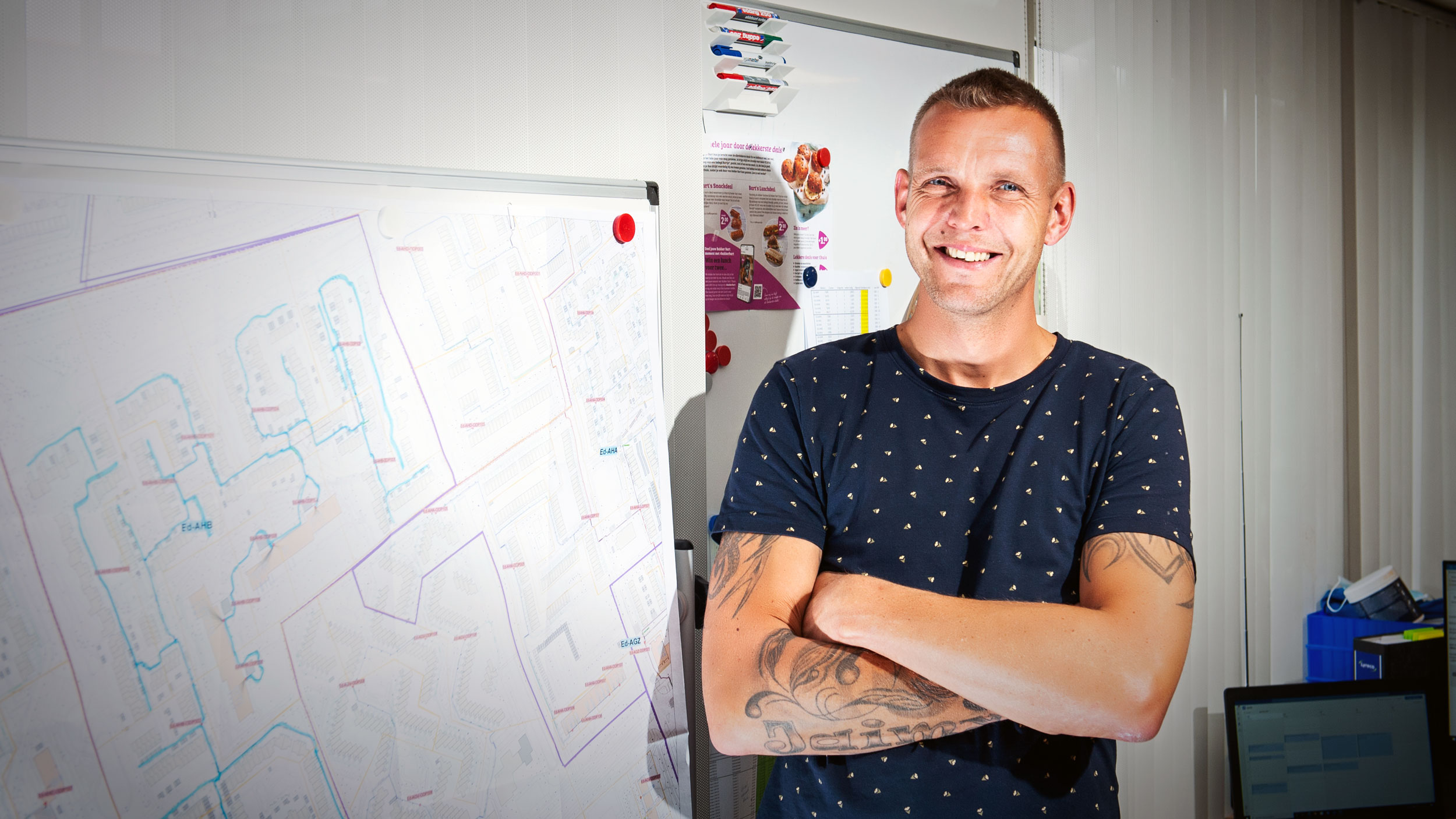
In addition to geometry, you also record data: manufacturer, type, material, weight, assembly information, order details. A single uniform source for design, procurement and asset management.
Use in digital twins
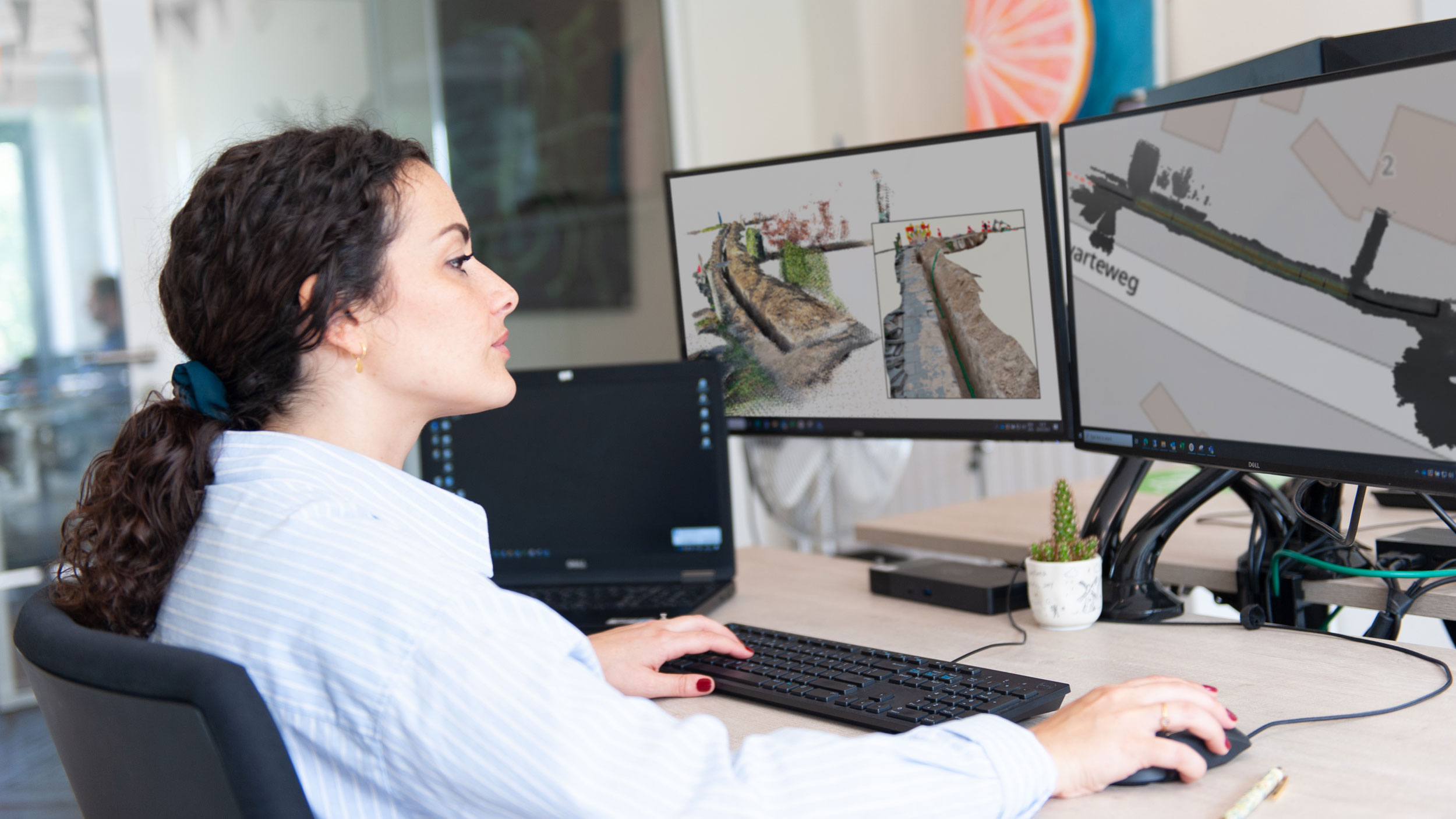
Parametric Families are smart and informative. This makes them a strong basis for digital twins and allows them to integrate seamlessly with other Allinq services. In addition, we can link them to our customers’ systems, processes and specific information needs so that the model really works within your own environment.

Benefits
Benefits of Parametric Families
One family, many variants
No libraries full of separate versions. With parameters, you choose the right size, shape and configuration.
Efficiency in design and engineering
Less manual modelling, fewer errors, faster calculations and visualization.
Connection to practice and maintenance
Based on real objects and processes. Ideal for asset management and lifecycle management.
Made to your requirements
We only build what is necessary, without unnecessary fields. This keeps 3D models light and user-friendly.
Standardization and quality
Centralized data, such as manufacturer, type and material, ensures uniform models and consistent documentation. We lay down all requirements for standardization and data quality in a BIM Implementation Plan, including a CAT (Control & Acceptance Test) for BIM. We also develop and manage this implementation plan for customers, so that every delivery meets clear and verifiable quality requirements.
LOD where it is needed
High detail for critical parts; lighter where possible. Good for performance and overview.
FAQ
Frequently asked questions
What is the difference between a normal family and a parametric family?
A normal family has fixed dimensions. A parametric family is flexible: you can adjust the size, shape, or visibility without having to build a new object.
Who is this intended for?
For organizations with many variants: energy companies, infrastructure managers, installers, and engineering firms.
Do I have to create parameters myself?
No. We design and build the families based on your specifications—including clear naming and tooltips.
Is it difficult to use?
No. The complexity lies in the construction. Models simply select values from clear lists.
What LOD levels do you support?
We tailor the detail to the need: high detail where necessary, light where possible.
Is this more expensive than standard families?
Development takes more time, but you earn it back in speed, quality, and reuse. One parametric family often replaces dozens of separate variants.
What information fields can be included?
For example, manufacturer, type, material, assembly information, weight, order details—whatever is relevant to your process.
What do you need to get started?
A brief intake: variants, desired parameters, and level of detail. This allows us to build exactly what is needed, no more and no less.
Schedule a demo
Want to learn more about Parametric Families? Schedule a demo today.